Catfish Svg Lake Fishing Clipart Cat Review
When I first opened the packet for the Catfish Svg Lake Fishing Clipart Cat, my immediate reaction wasn't about the file format or the zip structure. It was about the mood. There is a specific kind of charm in a design that balances rustic outdoor vibes with a touch of playful personality, and this piece hits that sweet spot perfectly. As someone who has spent years evaluating digital assets for real-world embroidery projects, I look past the marketing fluff to see if a design actually translates well from a screen to fabric. This particular asset feels like it belongs on a well-loved tote bag at a local fishing dock or perhaps as a cheerful accent on a dad's favorite sweatshirt.
First Impressions: Visual Personality and Theme
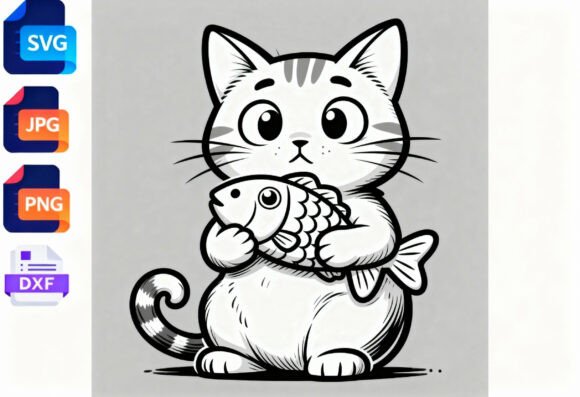
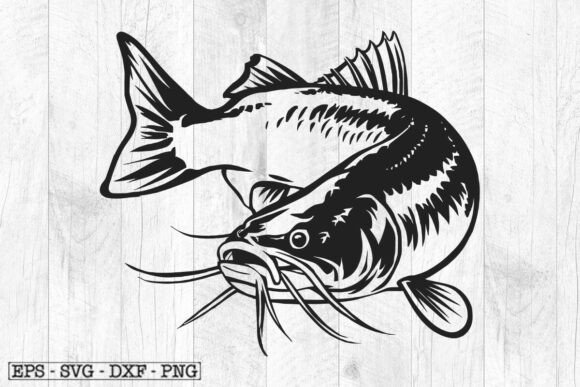
The visual personality of the Catfish Svg Lake Fishing Clipart Cat is distinct. It avoids the overly complex detailing that often frustrates machine embroidery setups. Instead, it relies on clean lines and a recognizable silhouette that suggests a fun, laid-back atmosphere. The combination of the catfish theme with the "Cat" element creates an instant hook for customers who love animals, lakes, or both. It feels like a design born from a genuine hobby rather than a generated stock image, which gives it authenticity—a crucial factor when you are building a brand for your handmade shop.
In terms of layout, the design appears to have enough negative space around the central figure to allow for proper stitching without crowding the edges. This is vital because crowded designs often suffer from thread breaks or puckering, especially on smaller items. The shape suggests it could work beautifully as a standalone focal point on a chest pocket or a centered graphic on a larger garment. It screams "custom apparel" but with a casual, approachable vibe that fits perfectly into the crafts and graphics niche without feeling forced.
Real-World Application: From Screen to Stitch
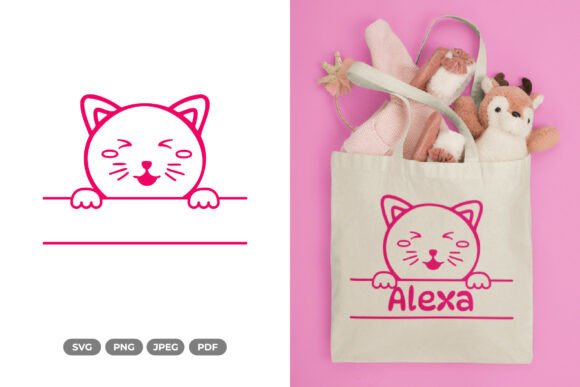
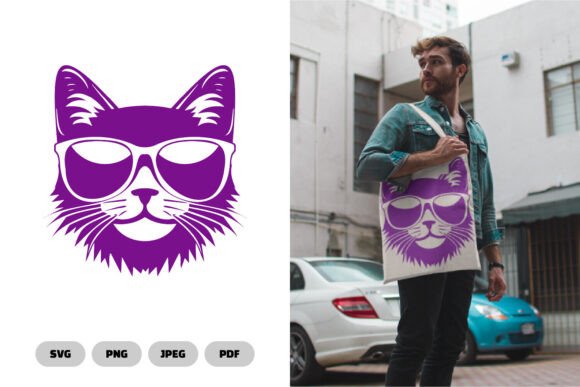
To truly understand the value of this design, I had to imagine it in a production environment. Let's say I am preparing a custom order for a client who runs a small boutique selling lake-themed merchandise. I visualize the Catfish Svg Lake Fishing Clipart Cat stitched onto a canvas tote bag. The sturdy nature of canvas would support the stitch density well, allowing the design to pop without distorting the fabric. The contrast between the thread colors and the natural canvas would highlight the details, making it an ideal gift item for a fishing enthusiast.
But the versatility doesn't stop there. I also see this design thriving on a baby onesie for a "little fisherman" themed shower. The softness of cotton jersey requires a lighter hand with stabilizer, but the simplicity of the clipart style means it won't overwhelm the small scale of a baby garment. It transforms a standard personalized gift into something memorable. Similarly, for a holiday gift scenario, adding this to a kitchen towel or an apron could be a hit for a family gathering where the host loves fishing. It bridges the gap between a functional item and a sentimental keepsake.
For the Etsy seller or small business owner, this design offers high potential for product value. A simple embroidered patch featuring this motif can elevate a plain cap or jacket instantly. When customers see a finished product that looks professional and cohesive, their trust in the maker increases. The design acts as a visual anchor that tells a story, whether it is about a weekend at the lake or a love for feline friends. This narrative quality is what drives engagement and repeat sales in the handmade market.
Strategic Considerations and Potential Pitfalls
However, every designer knows that a great digital file does not guarantee a perfect physical result. There are specific scenarios where the Catfish Svg Lake Fishing Clipart Cat needs careful handling. If you plan to use this on a curved surface like a baseball cap, you must ensure the design is sized correctly for the hoop. Curved surfaces can distort straight lines, so testing the curvature is non-negotiable before running a full batch of orders.
Fabric texture plays a massive role here. While this design likely shines on smooth cottons and linens, textured fabrics like heavy wool or loose-weave knits might hide the finer details. Thin or stretchy fabrics require extra stabilization to prevent the stitches from pulling the material out of shape. If the design includes dense fill areas, using the wrong stabilizer could lead to puckering, which ruins the professional look of the final product. Additionally, dark fabrics demand high-contrast thread choices; otherwise, the design might get lost in the background, reducing its visual impact.
Another critical area to watch is the small details. If the original vector contains tiny lettering or intricate corner elements, these might not render well in a smaller hoop size. Machine embroidery has physical limitations regarding how fine a needle can stitch. If the design is scaled down too much for a child's hat or a small accessory, those delicate parts may become muddy blobs of thread. It is always better to err on the side of slightly larger dimensions to preserve clarity.
Practical Designer Notes for Success
Before committing this design to a commercial project or a rush client order, there are several steps I recommend taking to ensure success. First, always test the design on scrap fabric that matches your intended final material. This allows you to check the thread color contrast and inspect how the stitches interact with the weave of the fabric. You need to verify the stitch density; if it is too heavy, the fabric will pucker, but if it is too light, the design might look sparse.
Confirming the hoop size is equally important. Ensure the design fits comfortably within your machine's maximum hoop dimensions while leaving enough margin for the stabilizer. If you are creating a printable mockup for your Etsy listing, test the design in black and white to see if the composition holds up without relying on color. This helps identify any balance issues in the shape itself.
Licensing is another area that requires due diligence. While the packet mentions separate files for single designs and bundles, you must confirm the license terms explicitly. Are you allowed to sell finished products made with this design? Can you modify the file for custom orders? These questions determine whether you can use the asset for commercial embroidery projects or if it is restricted to personal use only. Always read the fine print to avoid legal headaches later.
Finally, consider the end-user experience. Products that require frequent washing, like aprons or tote bags, need durable stitching. Check that the design does not rely on fragile satin stitches that might snag easily. By focusing on these practical aspects, you ensure that the Catfish Svg Lake Fishing Clipart Cat delivers a finished product that stands up to daily wear and tear, maintaining the professionalism and brand consistency your customers expect.
In conclusion, this design offers a versatile foundation for a wide range of creative ventures. Whether you are decorating a sweatshirt for a craft fair, creating a personalized gift for a friend, or expanding your inventory as a digital product seller, the visual appeal of this clipart is undeniable. With the right preparation and attention to technical details, it can serve as a cornerstone for your next successful embroidery project.