Funny Cat and Duck Svg: A Designer's Real-World Review
I have spent years reviewing embroidery design assets for everything from boutique clothing lines to custom holiday gifts. When I first opened the files for the Funny Cat and Duck Svg, my initial reaction was one of cautious optimism. In a market flooded with generic animal graphics, this piece stands out because it captures a specific mood that feels both whimsical and grounded. It isn't just a collection of shapes; it is a character-driven illustration that promises to bring a smile to anyone who sees it stitched onto fabric.
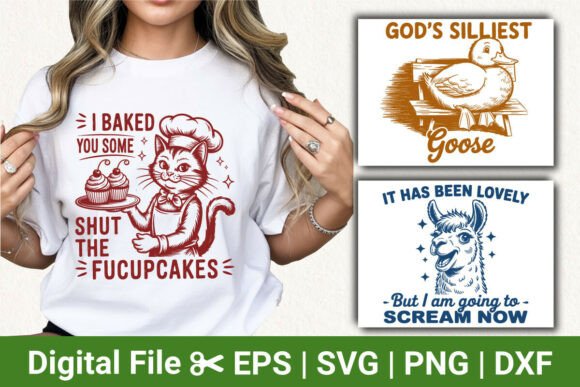
The visual personality of the Funny Cat and Duck Svg is its strongest asset. The layout balances the two subjects perfectly, creating a sense of playful interaction rather than static placement. For an embroidery designer, this balance is crucial. It suggests that the design will hold up well under the tension of stitching, avoiding the "blobby" look that often plagues low-resolution vector files converted for machine work. The theme immediately signals a project meant for joy—perfect for nursery decor, baby clothes, or a lighthearted addition to a craft business catalog.
From Screen to Stitch: A Real-Life Scenario
To truly understand how this design performs, I decided to put it through a practical test scenario. Imagine you are preparing for a busy weekend at a local craft fair or fulfilling a rush order for a client who wants a personalized gift. You decide to create a set of matching kitchen towels and a tote bag featuring the Funny Cat and Duck Svg. The goal is to produce a cohesive set that looks professional enough to command a higher price point on Etsy but retains that handmade charm that buyers love.
In this scenario, the design's clarity becomes the deciding factor. As I loaded the file into my digitizing software, I noted how the lines flowed. The transition between the cat and the duck felt natural, suggesting that the stitch density has been managed well. Unlike some designs where the background fills are too heavy, this piece allows the fabric texture to show through slightly in the negative spaces, which adds depth to the final product. When I ran a test stitch on a white cotton tea towel, the result was crisp. The characters didn't look muddy, even when using standard thread colors like navy blue, bright yellow, and soft gray.
This kind of reliability is exactly what small business owners need. If you are selling custom apparel or handmade products, your reputation hinges on the quality of the finish. A design that looks great on a screen but falls apart under the needle can ruin a customer's trust. The Funny Cat and Duck Svg avoids this pitfall by maintaining distinct features even in smaller sizes, making it versatile for various items like aprons, caps, or pillow covers.
Where This Design Shines in Embroidery Projects
The versatility of this graphic makes it a prime candidate for several high-demand categories within the Crafts and Graphics sectors. Its friendly aesthetic makes it particularly effective for:
- Baby Embroidery: The soft, humorous nature of the characters works beautifully on onesies, burp cloths, and baby blankets. Parents often look for designs that are cute but not overly complex, and this fits that sweet spot perfectly.
- Holiday Gifts: Whether it is Christmas, Easter, or a birthday, the Funny Cat and Duck Svg serves as an excellent focal point for seasonal merchandise. It pairs well with festive backgrounds without clashing.
- Small Shop Merchandise: For Etsy sellers or boutique owners, this design offers a ready-made brand element. You can use it on tote bags, stickers, or patches to create a recognizable identity for your shop.
- Kitchen and Home Decor: As mentioned earlier, this design thrives on tea towels and aprons. The humor translates well to the kitchen environment, making it a popular choice for housewarming gifts.
Navigating the Challenges of Fabric and Detail
However, every experienced designer knows that a good file is only half the battle. The success of the Funny Cat and Duck Svg also depends heavily on execution. There are specific situations where caution is required. For instance, if you plan to embroider this on a curved surface like a baseball cap, you must be mindful of the distortion that occurs around the brim. While the design is robust, extreme curvature can stretch the satin stitch areas, potentially blurring the fine details of the animals' faces.
Similarly, working with textured fabrics requires extra attention. On a thick, nubby material like a heavy wool sweater, the definition of the design might get lost. In these cases, using a high-quality stabilizer is non-negotiable to ensure the stitches sit flat and the design remains legible. Thin or stretchy fabrics, such as lightweight jersey t-shirts, present another challenge. Without proper backing, the tension of the needle could cause puckering, which would detract from the clean look of the embroidery project.
Another critical consideration is the scale. While the design is detailed, it should not be shrunk down to fit a tiny hoop size, such as those used for socks or very small patches. Reducing the size too much can merge the separate elements of the cat and duck, turning them into a single indistinct shape. Always check the hoop size requirements before finalizing your production run. If you are unsure about the exact specifications provided in the file description, it is wise to test the scaling on scrap fabric first.
Practical Notes for the Professional Maker
Before committing to a full production batch, I strongly advise taking a few steps to ensure the best outcome. First, always review the thread color contrast. A light-colored design on a dark background (or vice versa) can sometimes lose definition depending on the thread weight used. Running a black-and-white mockup can help visualize this contrast issue early on.
Second, inspect the small details closely. Look for any potential weak points in the running stitch or fill stitch areas that might snag during wear. Since this design is likely intended for commercial use, durability is key. Ensure that the file includes all necessary layers for applique design if you plan to add fabric pieces for extra dimension.
Finally, confirm the licensing terms. Many digital product sellers assume they can sell finished goods made from purchased files, but some licenses restrict commercial use. Read the fine print regarding the Funny Cat and Duck Svg to avoid legal issues. Also, verify compatibility with your specific cutting machines, such as Cricut or Silhouette, if you intend to use the SVG for vinyl transfers alongside embroidery.
Final Verdict on Visual Appeal and Value
Ultimately, the Funny Cat and Duck Svg delivers on its promise of bringing creative projects to life. It strikes a rare balance between being trendy and timeless. The humor is subtle enough to appeal to adults while remaining simple enough for children to recognize. This duality increases its value as a design asset for anyone looking to expand their product line.
For the embroidery designer or creative entrepreneur, this file represents a safe bet with high potential returns. It enhances the perceived value of the finished product, making a simple tote bag feel like a curated gift. When customers see a well-executed, charming design like this, they are more likely to engage with your brand and return for future purchases. By paying attention to the nuances of fabric selection, stabilizer usage, and stitch density, you can transform this digital graphic into a tangible masterpiece that delights users and boosts your business credibility.